
OnlyFans ranking cards can warn you about one of the most overlooked costs on the platform: pay-per-view density. This guide explains what PPV density means, how to spot it on a ranking card, and how to budget for it before you subscribe. It uses the same criteria BestOnlyFans applies when it grades pages, so the signals you read here match the ones behind the scores. BestOnlyFans refreshes its rankings every month.
PPV density describes how heavily a page relies on locked messages rather than included posts. A cheap subscription tells you little if most of the feed sits behind an unlock button. That gap between headline price and real monthly cost is what this article teaches you to close.
What PPV Density Means on OnlyFans Ranking Cards
PPV density is the estimated ratio of paywalled messages to freely accessible posts on a page. A creator who posts daily and sends one locked message a week has low density. A creator who posts rarely but sends several locked messages weekly has high density, even at a cheap subscription price.
Ranking sites measure this differently. Most publish a score, badge, or note such as “frequent PPV” rather than a precise percentage.
No third-party site can see inside a creator account, so every density figure is an estimate. A card marked “high PPV” tells you locked content arrives often; it does not give you an exact dollar figure.
Visual Indicators of High PPV Frequency
The strongest indicators are quantitative, but fan commentary adds context that numbers alone miss.
- Average unlock cost displayed, showing the typical price of one locked message.
- Ratio of paid to free posts in recent activity, where a paid majority signals heavy gating.
- Tip menu complexity score, since long tiered menus often accompany frequent PPV.
- Fan review keyword frequency for “PPV” or “expensive” in aggregated comments.
- Estimated monthly fan spend aggregation, averaged across reported subscribers.
Practical tip: open a page’s recent feed before subscribing and count how many visible posts carry an unlock price. Ten visible posts with six locked items is a stronger warning than any aggregate badge.
A card with three or more of these signals deserves a closer look. A card with only a vague “premium content” tag and no numbers tells you almost nothing.
Free Pages and Hidden PPV Cost Structures
A free page sets its base price to $0 and earns through PPV messages and tips instead. The subscription costs nothing, so the price field on a ranking card reveals nothing about your real monthly spend.
Knowing the sequence helps you predict where your spending lands after the first week.
- Welcome message unlock, where the first message after subscribing contains paid media.
- Periodic mass PPV campaigns sent to all subscribers at once, often weekly.
- Custom request funneling, where personal requests are answered only through paid messages.
- Livestream replay gating, where recorded streams are sold rather than posted to the feed.
- Collaborative content exclusive pricing, where joint shoots carry higher unlock prices.
Paid chat commonly runs $3 to $5 per message on busy free pages, and PPV unlocks can reach $50 per item. Tips can reach $100. None of that appears in the base price field, so density is the only pre-subscription proxy available.
Multiply the card’s average unlock price by the estimated weekly PPV count. Two unlocks a week at $10 each becomes $80 a month on top of a $0 subscription.
Low Subscription Prices as PPV Density Predictors
Across ranked pages, base price and PPV reliance tend to move in opposite directions. A low base price often means the creator expects PPV to carry revenue, while a higher base price usually means more content is included.
| Base Price Range | Typical PPV Strategy | Subscriber Budget Approach |
|---|---|---|
| $4.99 – $7.99 | Moderate included content with selective PPV for extras | Budget a small monthly PPV allowance on top of subscription |
| $8.99 – $14.99 | Substantial included content, PPV reserved for premium exclusives | Subscription alone usually covers most viewing |
| $0 | Heavy PPV dependency as the primary revenue source | Treat the page as metered; set a hard monthly cap first |
Promotional first months can sit below $4.99, such as a $3 first month, but a base price may not go under $4.99. When a promotion ends, the card’s standard price is the figure that matters for budgeting.
Typical paid subscriptions cluster between $5 and $10, with $4.99 to $15 covering most pages. A $4.99 page with high density often costs more per month than a $12 page with low density.
Cross-Page Comparison Techniques Using Density Signals
Comparing two similar pages is the fastest way to see density working as a cost variable. Pick creators in the same category and follower band so the comparison stays fair, then run the same steps on both cards.
- Identify comparable creator category and approximate page size from card metadata.
- Note both base prices side by side with their PPV density scores.
- Estimate how satisfying the included posts alone would be for your viewing habits.
- Calculate the monthly break-even point where the higher subscription replaces typical PPV spending.
Suppose one page costs $6 with high density and a $12 average unlock, while a second costs $12 with low density and included daily posts. If the first sends two paid messages weekly, its realistic monthly cost lands near $100.
The break-even calculation is simple: monthly PPV estimate minus the price difference between the two subscriptions.
Subscribers who archive content for personal reference often compare tools first, and a best screen recorder for onlyfans reddit thread can save research time, though recording never changes what you pay for unlocks.
When Moderate PPV Density Indicates Value
Density is not automatically a warning. Some pages gate content deliberately, and that choice can work in a subscriber’s favor. The question is whether gating protects quality or extracts spending for content that should be included.
- The creator uses PPV for premium custom content while keeping the base feed active and consistent.
- Time-limited exclusive content justifies per-item pricing because it would not exist otherwise.
- You prefer less frequent but higher-quality interactions over a constant stream of filler posts.
- The paywall limits subscriber count, letting the creator give more direct attention to each fan.
A moderate density score paired with a healthy included feed is a reasonable setup. The danger zone is high density combined with a thin or dormant feed, where almost everything of value sits behind a price.
A page posting ten included items a week can afford several locked messages. A page posting twice a month cannot.
Red Flags: Density Spikes and Creator Pattern Shifts
Historical data on ranking cards is underused. A single density score describes the present, but a change in that score over months reveals where a creator’s strategy is heading, and that affects what you pay after subscribing.
- PPV frequency doubling against the six-month average shown on the card.
- Average unlock price increasing while the base subscription stays unchanged.
- Fan reviews shifting from a positive tone to cost-focused complaints in recent entries.
- Included post count dropping while locked message count rises over the same period.
- Promotional free periods immediately followed by intensive PPV campaigns.
When a creator raises the subscription price, auto-renew stops and existing access lasts until the paid period ends. That rule protects you from surprise renewals, but not from a density shift on a page you keep renewing manually. This methodology mirrors how BestOnlyFans structures its ranking criteria, weighing recurring costs alongside headline prices.
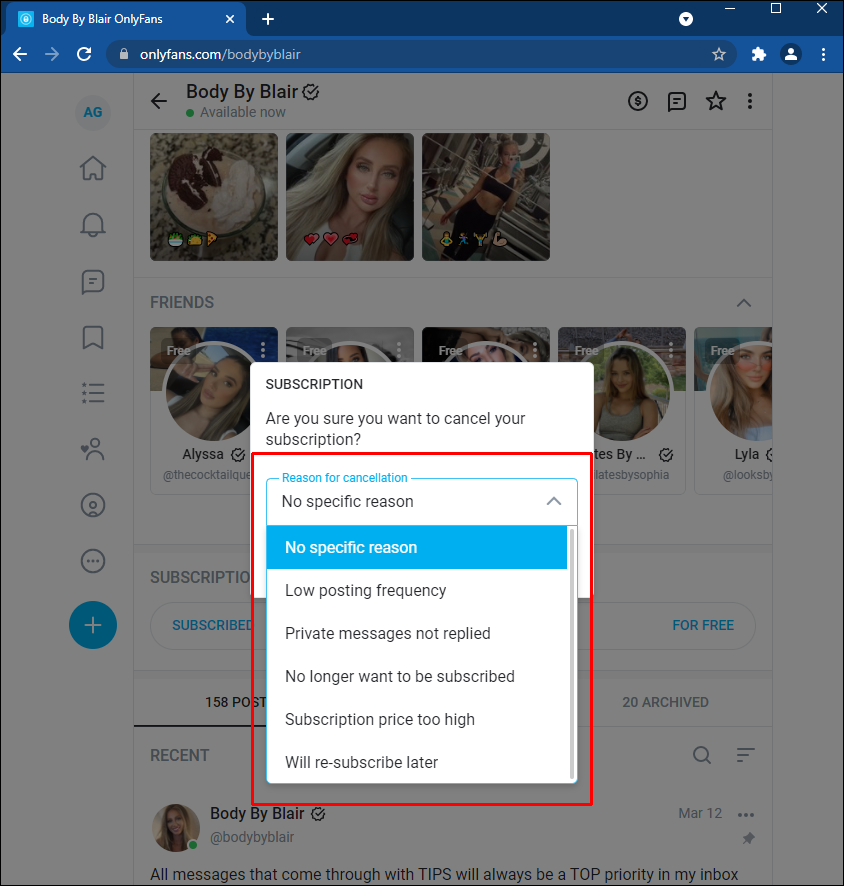
Cost-related reasons appearing more often in review aggregations is one more confirmation that density has shifted against subscribers.
Integrating Density Checks into Pre-Subscription Workflow
The sequence below takes only a few minutes per page once you have used it a couple of times, and it scales across dozens of candidate pages.
| Check Step | Data Source | Decision Point |
|---|---|---|
| Filter by category and price band | Ranking site search and filters | Shortlist pages within your intended budget |
| Examine the PPV density score | Ranking card summary panel | Flag high-density pages for closer review |
| Sample recent post types | Public preview of the page feed | Confirm included content matches the card claim |
| Verify historical price stability | Card history and fan review timeline | Reject pages with recent unexplained price jumps |
| Project monthly cost | Average unlock price times weekly PPV count | Set a hard spending cap before adding payment details |
The card verification hold of $0.10 is refunded within days, so adding and removing a payment method for testing carries no real cost.

Once you have run the sequence a few times, density scores become second nature. You will recognize the archetypes at a glance, and the pages that looked cheap will stop being tempting.
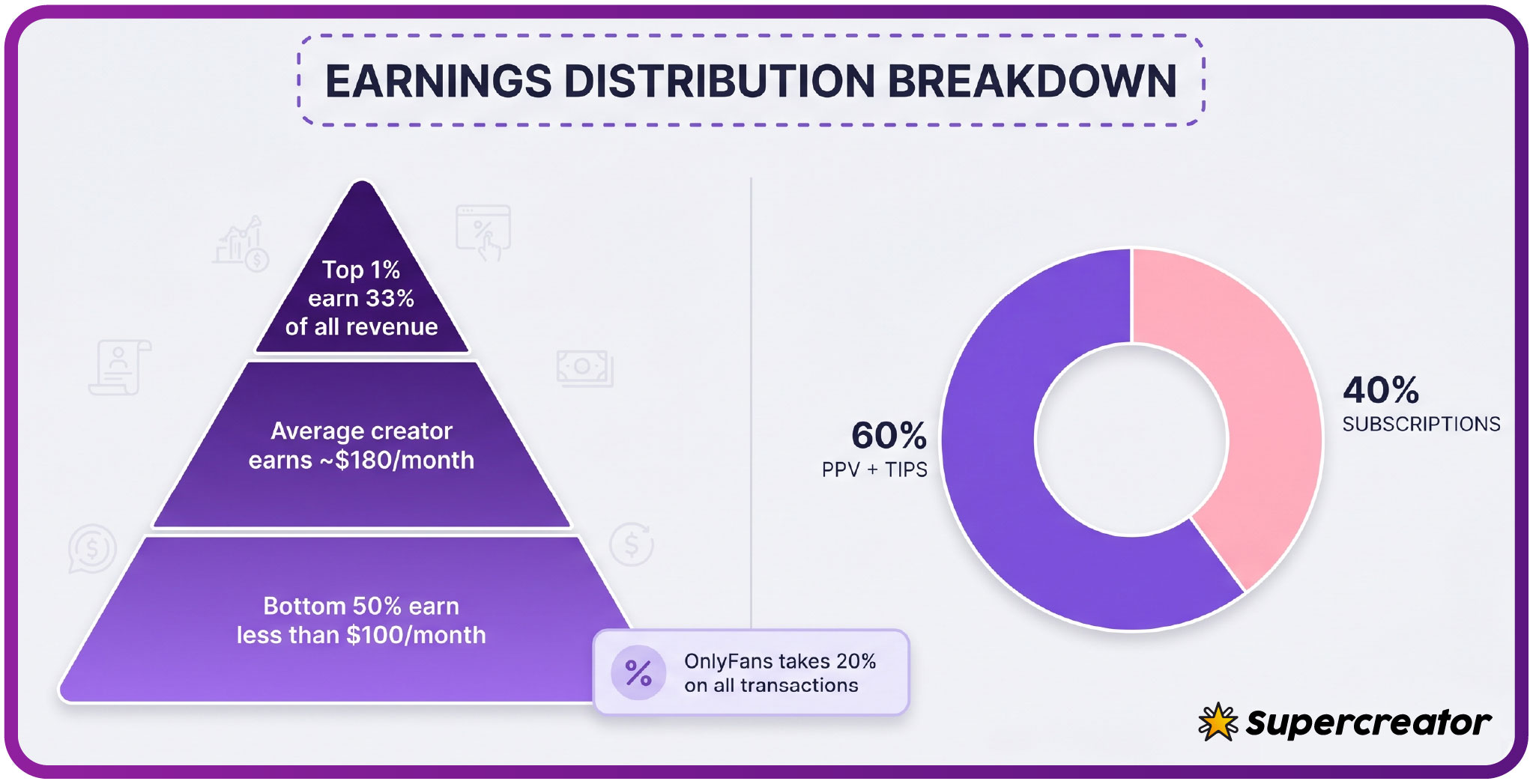
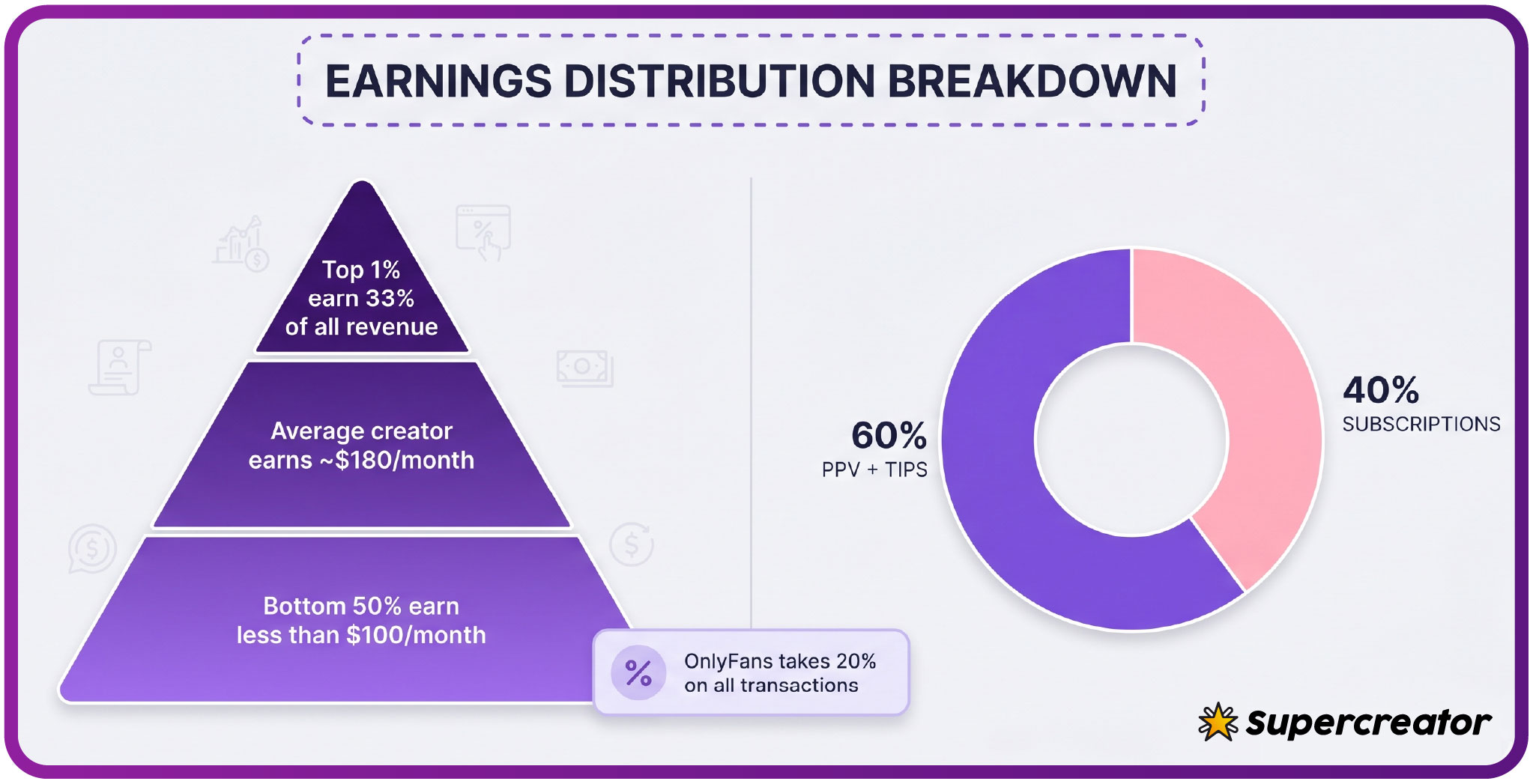
The help centre remains the authoritative source for billing rules such as the 20% platform fee and the 80% creator share.
FAQ
Do ranking cards show exact PPV counts or just estimates?
They show estimates. Ranking sites cannot access creator accounts, so density scores come from sampling visible locked messages, aggregating fan-reported spending, and tracking review keywords. Treat the figures as directional signals that help you compare pages, not as exact monthly bills.
Can a creator change PPV density after I’ve already subscribed?
Yes. Creators adjust their messaging strategy at any time, and a page with a low score today can shift to frequent locked messages next month. Card history and review timelines are your best early warning, since density spikes usually appear in fan comments before they show up in aggregate scores.
How do I estimate my monthly PPV costs before subscribing to a free page?
Multiply the card’s average unlock price by the estimated weekly PPV count, then multiply by four. If the card shows an average unlock of $10 and about two locked messages a week, plan for roughly $80 per month. Set that figure as a hard cap before you add payment details.
Is high PPV density always a negative signal for subscribers?
No. High density on a page with a strong included feed can simply reflect a premium tier for extras. The negative combination is high density paired with low activity, where almost nothing of value is included and the subscription functions mainly as an entry fee to more spending.